Fake and Dummy Numbers in Your Leads: How to Spot 555s, Repeats and Sequences
Oct 20, 2026 · 5 min read · TCPA Firewall Team
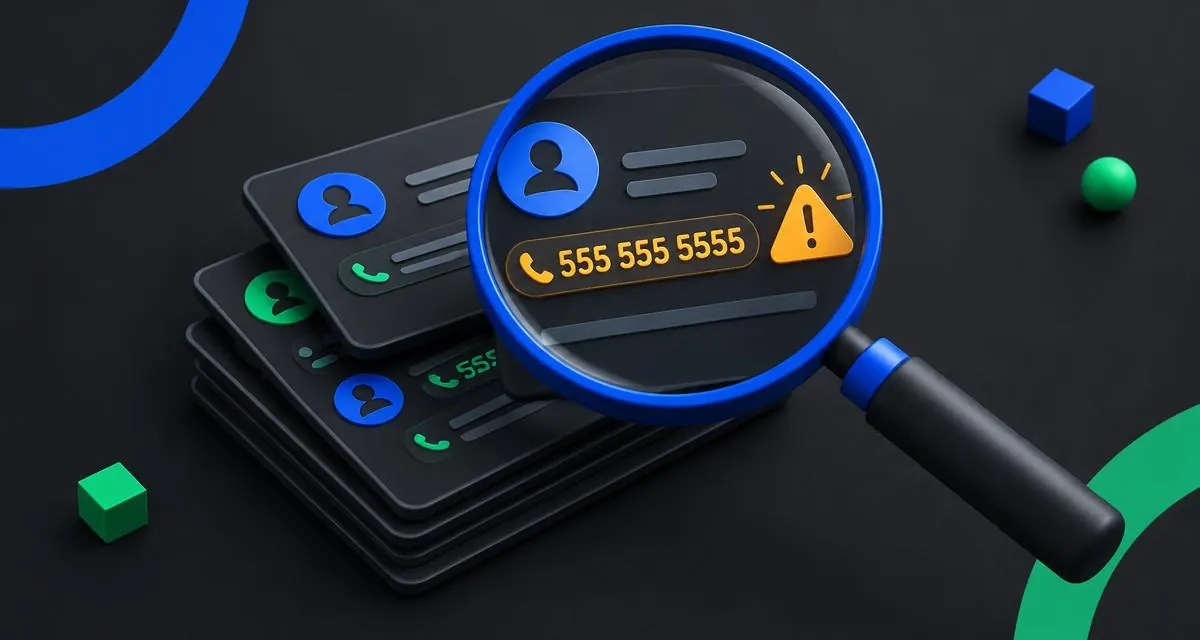
Every lead form collects some fake phone numbers. People who don't want a call type something that looks valid, bots fill fields at random and some vendors pad lists to hit volume. The numbers are easy to miss in a spreadsheet — and expensive once they hit a dialer.
The patterns that give them away
Most fake numbers follow a handful of patterns:
- Reserved numbers: 555-0100 through 555-0199 are set aside for fictional use and never belong to a real subscriber.
- Repeated digits: five or more of the same digit in a row, like 777-7777.
- Repeating pairs: 121-2121 or 343-4343.
- Repeating triples: 456-456-4567 style blocks.
- Sequences: 123-4567 or 987-6543.
None of these are proof on their own that a lead is fake, but together they are a strong signal.
Why they matter beyond wasted calls
A fake number costs a dial attempt and an agent's time. The bigger cost is what it says about the source:
- If a vendor's list has many fake numbers, its consent records may be just as unreliable.
- A real person can own a number that looks fake. Calling it without consent is still a call without consent.
- Fake entries inflate list size and make cost-per-lead look better than it is.
What to do when you find them
- Flag the number in your results so it is never auto-dialed.
- Track the share of fake numbers by lead source and vendor.
- Ask vendors to remove them and credit them back.
- Raise the bar on form validation where you control the form.
How TCPA Firewall handles it
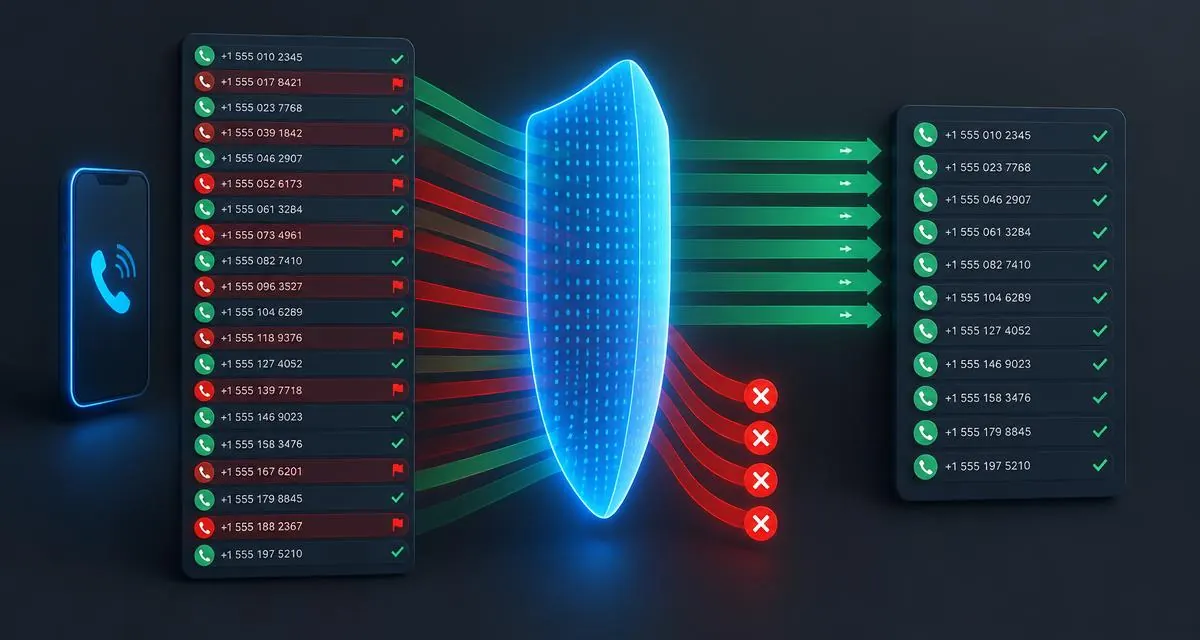
Every lookup checks the number for these patterns and shows a warning on the result when one is detected. You still see the full screening, carrier and line type results, so you can decide what to do with the record.
Fake numbers are a lead-quality problem first and a compliance problem second. Catching them early fixes both.
This article is for general information and is not legal advice.
Screen your list before the next campaign
Litigator signals, carrier, line type and region in one lookup. Credits never expire.